Why Time-Related Focus Is One of the Most Damaging Mental Mistakes in Sports
Athletes make countless mental errors that can disrupt performance, but few are as common or as harmful as focusing on time.
At SPMI we have helped thousands of athletes maximize their full potential. From enhancing their confidence to focusing better under pressure and even learning to love the game again. All of these areas of improvement would not be possible without taking a deeper look at an athlete’s environment. After all, mental toughness isn’t something athletes are simply born with, it’s heavily shaped by their environment. From daily habits to how failure is handled, the space around an athlete constantly influences how they think, feel, and respond under pressure.
Building resiliency in junior athletes is more important than ever before. In modern society, youth athletes are raised in environments that are more comfortable and where immediate gratification is at their finger tips every step of the way. Although technology has its advantages, studies show that it has also made junior athletes more sensitive to the stressors of training and competition. Simply put, athletes emotionally feel struggles more than in the past.
Have you ever experience choking in your sport and wondered why it happens and how to overcome it? If so, then this article is written for you. First let's address what choking is.
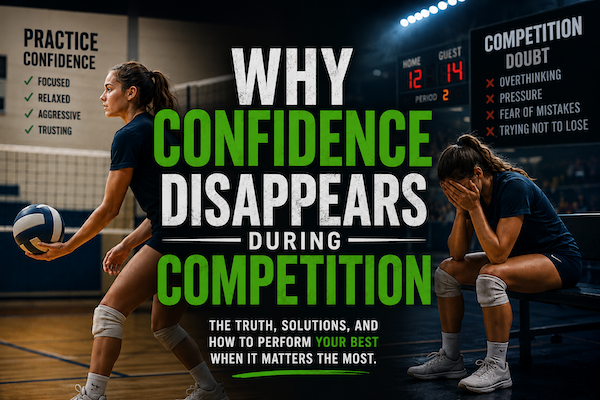
Choking is one of the most frustrating and misunderstood experiences in athletics and it's a common reason why so many athletes seek SPMI services. It happens when an athlete fails to perform at their normal level during a high-pressure moment—not due to a lack of skill, but because the mental pressure becomes overwhelming.
Performance and results are the number one goals driven in sports society. These two facets of sports are at the forefront for so many athletes starting at a young age. Millions of young athletes every year are constantly bombarded by comparison of other athletes. Much comparison is done through the use of various metrics such as ranking, times, points, and more.
At SPMI, almost every athlete’s goal is to achieve a peak performance state often referred to as a flow state or the zone. This mental state provides the maximum benefits for athlete, ensuring optimal mental performance. A peak performance state, often referred to as a “flow state” is when the athlete’s brain operates in a unique and highly efficient way.
Currently, having worked with athletes at SPMI for over 14 years I have seen one particular mental attribute that stands out alone, mindset. An athlete’s mindset single handedly can determine the outcome of a competition. This is most apparent in moments of opposition when an athlete finds themself in an undesirable situation. There are two distinct types of mindsets that athletes fall under.
As we prepare for Thanksgiving, athletes all over the US will be unknowingly practicing a powerful mental skill. This one mental skill often goes overlooked. In fact, most athletes don’t even consider it to be a mental skill, however, recent studies show that it has profound positive benefits that target multiple areas of the mental game. This one mental skill is called Gratitude.