
The Real Difference Between Professional Athletes and Amateurs
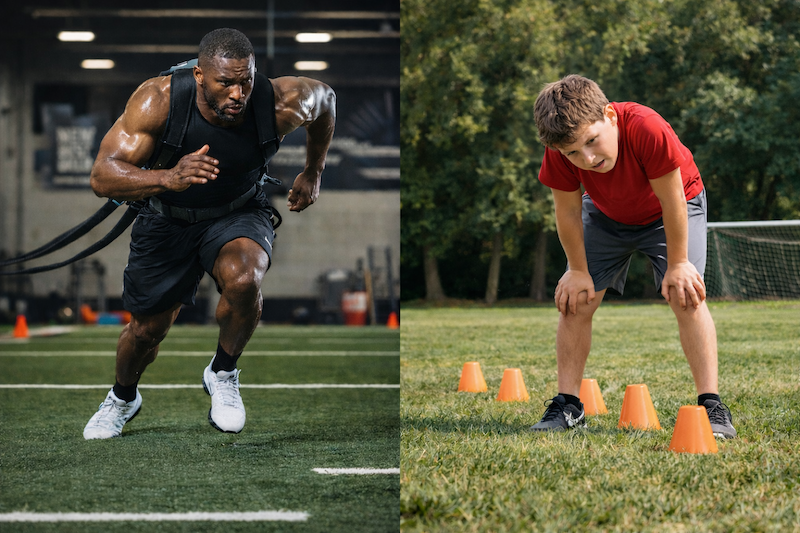
At SPMI we work with some of the best professional and junior athletes in the world as well as many more talented athletes who also are aspiring for greatness. And one of the most common questions that are asked are about what truly distinguishes professional athletes from amateur ones. When people talk about the difference between professional athletes and amateurs, the conversation usually starts with talent, speed, strength, or skill. While those factors matter, they are rarely what separates athletes at the highest levels.
The greatest differences are mental.
Professional athletes don’t just play better, they think, interpret, and respond to pressure differently.Professional athletes don’t just play better, they think, interpret, and respond to pressure differently.
The Mental Gap: Pros vs. Amateurs
Amateur athletes often rely on confidence being present before they perform. When confidence drops, performance drops with it. Professionals understand something critical: confidence is not just a feeling it’s also a byproduct of behavior and belief.
Professionals are far better at:
- Regulating emotions under pressure
- Staying task-focused instead of outcome-focused
- Recovering quickly from mistakes
- Trusting preparation instead of reacting to fear
Amateurs tend to:
- Over-identify with results
- Let emotions dictate decisions
- Play “not to lose” in big moments
- Change behavior based on how they feel
Professionals, on the other hand, allow emotions to exist without letting them drive behavior.
What Professional Athletes Do Better Mentally
- They Separate Identity from Performance
Pros don’t tie their self-worth to one play, one game, or one season. This psychological separation allows them to compete freely instead of protectively. - They Control Attention
Elite athletes consistently return their focus to controllables such as effort, execution, and decision-making, especially when pressure increases. - They Have a Mental Plan
Just like physical warm-ups, professionals warm up the mind. Their routines are intentional and habitual, not reactive. - They Trust Training Under Stress
Rather than forcing outcomes, professionals “get out of their own way” and allow years of preparation to take over.
A World-Class Example of Mental Toughness
Michael Jordan is one of the greatest examples of elite mental toughness in sports history.
Jordan wasn’t flawless. He missed shots, lost games, and failed publicly. What separated him was his response. He viewed pressure as information, not threat. Missed shots didn’t define him; they fueled focus. He stayed aggressive late in games because he trusted his preparation, not the moment.
Jordan once said that he failed over and over again in his life and that’s why he succeeded. That mindset allowed him to perform when others tightened up.
How Athletes Can Train Their Mind Like a Pro
- Practice focus under stress, not just in calm conditions
- Detach self-worth from outcomes and tie it to effort and learning
- Develop pre-competition mental routines that become automatic
- Reframe mistakes quickly and return attention to the present task
Mental toughness isn’t something athletes “grow into.”
It’s something they train intentionally.
The athletes who do this early don’t just perform better, they compete with freedom, resilience, and consistency when it matters most.