Blog
The Secret to Raising a Self-Motivated Athlete (That No One Talks About)
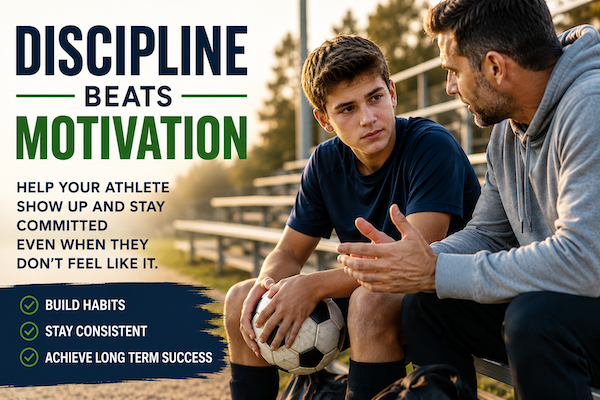
At SPMI, we often see a pattern that quietly shapes how young athletes experience their sport. On one side, the sporting world is demanding with early mornings, long practices, intense training sessions, and high-pressure competitions. Athletes are asked to push through fatigue, perform under stress, and constantly improve. On the other side, home life is often comfortable, predictable, and relatively low in responsibility beyond schoolwork.
The Hidden Opponent: Helping Young Athletes Overcome Gaming & Social Media Addiction
At SPMI, we’ve observed a significant rise in social media and video game overuse, particularly since 2020. This trend has increasingly impacted the development of young athletes, affecting areas such as goal achievement, mood, focus, and social behavior. As a result, we believe it is essential to address this issue and provide guidance on how to manage it effectively, so athletes can reach their full potential both in and outside of sport.
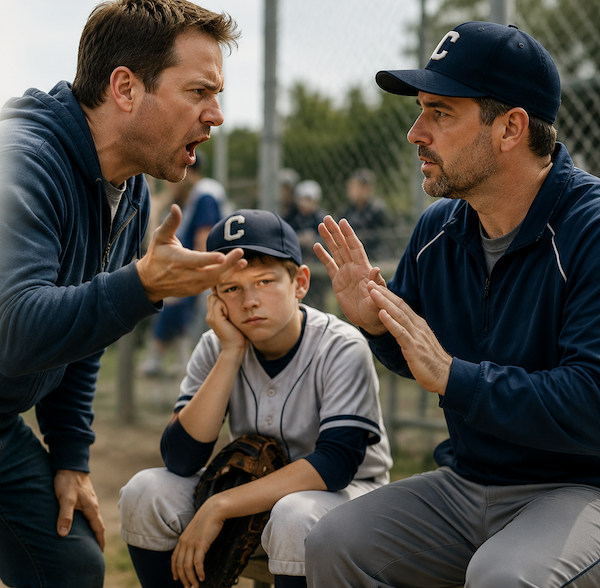
Is it Tough Coaching or Too Much? A Guide to Parents and Athletes
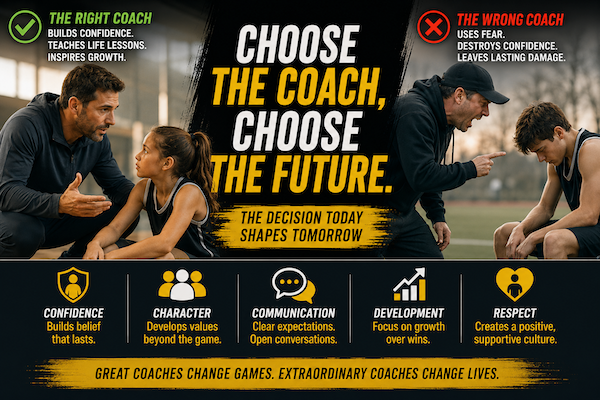
At SPMI, we’re fortunate to work with some of the best coaches in the country and around the world. Leaders who not only guide athletes to the highest levels of performance, but who also prioritize the coach-athlete relationship by building trust, respect, and personal growth. However, beyond this ever-growing network, a recurring concern continues to surface from parents and athletes seeking our support.
6 Things Your Young Athlete Needs to Become the Best
Many parents and coaches dream of seeing a young athlete reach their full potential. At SPMI we have found that there are 6 core components to achieving the highest level. Surprisingly, these same areas when developed are directly correlated to helping them succeed in the classroom and in life. While reading this article I challenge parents and athletes to rate each category from 1 to 10 to get a better understanding of how to maximize you or your young athlete’s full potential.
The Car Ride Home
At SPMI, one of the most common mistakes we observe among parents and caregivers occurs during the car ride home after competitions. For many young athletes, this can be one of the most emotionally intense moments in their entire sports experience.
Over the years, numerous athletes have expressed their discomfort with these situations, and sport psychology research has explored how parental communication immediately following competition can significantly impact an athlete’s confidence, motivation, and long-term enjoyment of their sport.
A master Class in Mental Toughness at 42: From The Corporate Boardroom to Olympic Ice
At SPMI, we love celebrating mental toughness success stories, athletes who persevere through improbable circumstances and achieve world-class feats that few believed were possible. One of the most powerful examples of this resilience was on display at this year’s Winter Olympics.
Mental Toughness Secrets Athletes & Parents Can Learn from Navy SEALs
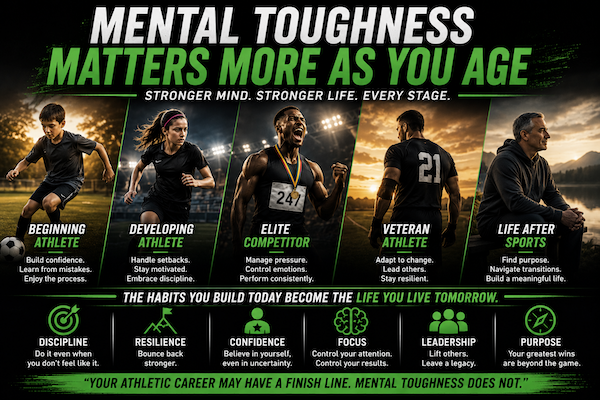
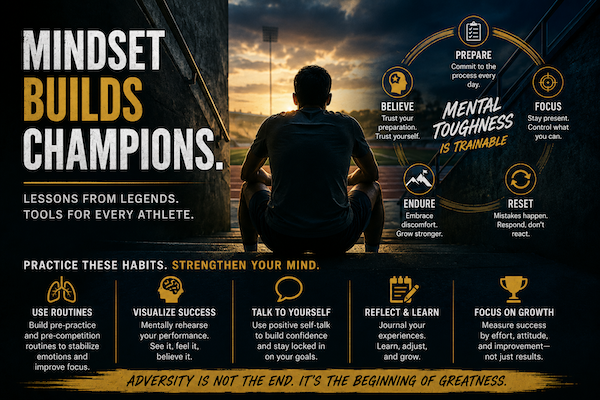
At SPMI, we help athletes master the mental game because the mind drives the body, and it must be prepared for every challenge, regardless of the stakes. One of the most powerful demonstrations of true mental toughness comes from the United States Navy SEALs. Throughout the years, we have been fortunate to work with several Navy SEAL trainees, helping them develop the mental resilience required for BUD/S training, particularly the demands of Hell Week, where composure, focus, and endurance are pushed to their limits.
Train Your Mind Like Your Body: Overcoming Intrusive Thoughts in Competition
At SPMI (Sport Psychology Movement Institute), we work with athletes to help them master the mental game and one of the most common challenges across all sports and levels is intrusive thoughts.