
The Car Ride Home
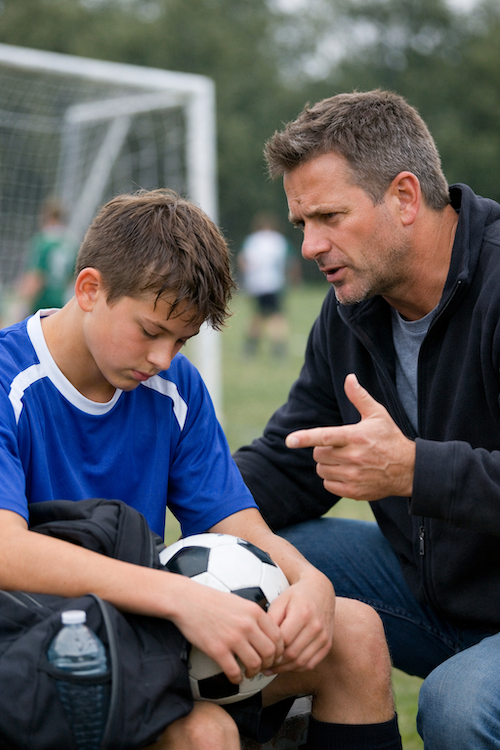
At SPMI, one of the most common mistakes we observe among parents and caregivers occurs during the car ride home after competitions. For many young athletes, this can be one of the most emotionally intense moments in their entire sports experience.
Over the years, numerous athletes have expressed their discomfort with these situations, and sport psychology research has explored how parental communication immediately following competition can significantly impact an athlete’s confidence, motivation, and long-term enjoyment of their sport.
As a result, we have identified several strategies parents can use to create a healthier and more supportive environment for their young athletes. Below are a few key solutions:
Parents often look forward to this time. It feels like the natural moment to discuss the game, analyze performance, and help their child improve. But what many well-meaning parents do not realize is that this conversation can unintentionally become one of the most stressful parts of the entire athletic experience.
After a competition, young athletes are emotionally and mentally exhausted. They have just experienced pressure, adrenaline, wins, losses, mistakes, and expectations both internally and externally. Their nervous system is still recovering. When the first conversation they hear is about what they did wrong, what they should have done differently, or why they did not perform better, it can feel overwhelming.
Even comments meant to be constructive such as, “You should have swung earlier,” “Why didn’t you pass the ball?” or “You looked tired today” can be interpreted by a young athlete as disappointment.
Over time, these conversations can create unintended psychological consequences. Instead of associating sports with enjoyment, growth, and confidence, athletes may begin to associate competition with judgment and anxiety. They may start fearing mistakes more than embracing the challenge of improving.
In sport psychology, this can contribute to performance anxiety, fear of failure, and even burnout. Athletes may become overly focused on avoiding mistakes rather than playing freely and confidently. Some children eventually withdraw emotionally from the sport they once loved.
Ironically, most parents are trying to help.
They want their child to succeed. They see potential and want to guide them toward improvement. But in youth sports, timing and emotional awareness are just as important as feedback.
One of the most effective strategies is to let some time pass.
Instead of immediately analyzing the performance, parents allow the athlete time to decompress. The car ride home becomes a safe emotional space rather than a post-game evaluation.
A simple approach can dramatically change the experience.
When the athlete gets in the car, the parent can ask one supportive question:
“Did you have fun today?”
Or even better:
“I love watching you play.”
These messages reinforce that the parent’s support is not dependent on performance. The athlete learns that their value is not tied to wins, losses, or statistics.
If the athlete wants to talk about the competition, they will bring it up. Many athletes actually do but only when they feel emotionally safe.
Another helpful strategy is to focus on effort and character instead of outcomes. Instead of discussing the missed shot or lost race, parents can reinforce controllable qualities:
· Effort
· Persistence
· Courage
· Sportsmanship
· Resilience
For example:
“I loved how hard you kept competing even when things got tough.”
Statements like this build long-term confidence and mental toughness far more effectively than technical criticism immediately after a game.
Parents play one of the most powerful roles in a young athlete’s development. Coaches teach skills, but parents shape the emotional environment around sports.
The car ride home is not just transportation. It is an opportunity to reinforce trust, safety, and unconditional support.
When parents shift the focus from performance analysis to emotional support, something remarkable happens.
Athletes begin to play with more freedom, more confidence, and more joy.
And those qualities are the true foundation of mental toughness.