
How to Overcome Not Feeling 100%
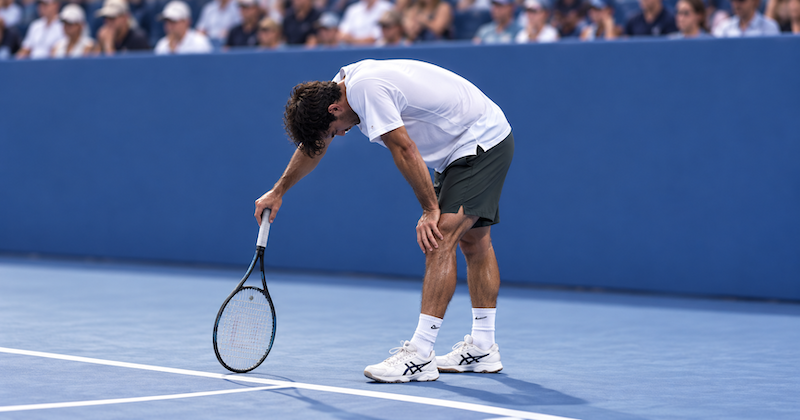
Mental toughness when your body and game feel less than their best
At SPMI, we help athletes develop the mental skills to build confidence, improve focus, manage emotions, and perform more consistently. Part of that training involves learning how to respond when preparation, energy, or physical comfort feels less than ideal. With sound judgment and practical mental strategies, athletes can approach these moments with greater composure, adaptability, and purpose.
You arrive at practice or competition and something feels off. Perhaps you have not played in several weeks, you are recovering from a cold, or you are managing soreness or an ongoing physical issue. Your timing feels unfamiliar. Your energy is lower. Before you begin, a thought appears: “How am I supposed to perform like this?”
Athletes cannot count on feeling their best every day. Learning to respond to imperfect conditions is a valuable performance skill. That starts with making a responsible decision about participation, then focusing on what you can do within safe limits.
Make a sound decision before competing
Use good, sound judgment when deciding whether to play or continue playing. Mental toughness includes honestly reporting symptoms, respecting medical restrictions, and stopping when necessary. Fever, significant fatigue, and widespread muscle aches are reasons to avoid exercise. Injury symptoms require appropriate assessment; calling something “small” does not establish that it is safe. When uncertain, consult a qualified healthcare professional.
Once participation is appropriate, these strategies can help you make the most of your performance.
Accept your starting point
Comparing today’s condition with your best day can create frustration before the first play. Replace “I should feel better” with “This is where I am today. What is my best approach?”
Acceptance helps you make useful decisions. After a long break, that might mean rebuilding timing gradually and following an appropriate return plan. Returning too quickly after time away can increase injury risk. Your previous level is a reference point, not a demand for today.
Separate the sensation from the prediction
“I feel rusty” describes an experience. “I will play terribly” predicts an outcome. Those statements are different.
Notice when your mind turns an uncomfortable feeling into a conclusion. Try: “My timing feels off, so I will focus on preparation and a clear target.” You do not need to promise yourself a great result. Give yourself a useful next action.
Choose controllable performance goals
When you feel less than your best, simplify your priorities. Pick two or three behaviors you can execute within your approved limits: clear communication, a consistent routine, purposeful positioning, or patient decision-making.
A tennis player might prioritize early preparation and bigger targets. A basketball player might emphasize positioning and smart passes. These goals give your attention somewhere productive to go when confidence fluctuates.
Build a brief reset routine
After an error or distracting thought, use a simple sequence: take one comfortable breath, release unnecessary tension, and choose one cue for the next action.
Examples include “See the target,” “Prepare early,” or “One play.” Practice the routine during training so it becomes familiar. Its purpose is to redirect attention toward the task.
Keep this separate from necessary symptom checks. New or worsening symptoms deserve attention and reassessment.
Adapt your plan
Discuss appropriate adjustments with your coach and, when relevant, your healthcare professional. You may need a shorter session, a different role, or a gradual progression.
If cramping, pain, or other symptoms develop, pause and assess them instead of trying to mentally erase them. For ongoing pain or a recovering injury, follow an individualized plan. Continuing through certain injuries can worsen them.
Adaptation gives you a way to contribute while respecting your current capacity.
Give confidence time to return
After time away, confidence may rebuild through repeated experiences. Notice small evidence of progress: a better decision, improved timing, or a successful routine.
Afterward, ask: “What worked? What needs adjustment? What is my next step?” This makes the session useful even when the result falls short of your expectations.
How parents can help
Begin with curiosity: “How are you feeling, and have you told your coach?” Listen without minimizing symptoms or immediately assuming the worst.
Avoid comments such as “You’re fine,” “Don’t make excuses,” or “We came all this way.” These can make athletes reluctant to speak honestly.
Support the participation plan established with the appropriate professionals. Praise clear communication, responsible decisions, and useful performance habits. If your child needs to stop, make it clear that your support remains the same.
Before competition, ask: “What can you focus on today?” Afterward, ask: “What helped, and how does your body feel now?”
The goal is to help athletes trust themselves, communicate openly, and approach each day with both commitment and judgment. Their best available performance begins with understanding what is appropriate for them today.
Build your mental skills with SPMI
If not feeling your best is affecting your confidence or performance, SPMI can help you develop a more effective mental approach. Our personalized, one-on-one online mental training helps athletes strengthen their performance skills while providing parents with guidance on how to support their athlete.
Schedule a FREE 15-minute consultation to discuss your athlete’s challenges and goals, ask questions, learn about our programs, and determine whether SPMI is the right fit.
Visit SPMIPLUS.COM to schedule your free consultation today.