
The Seasons of Sport Parenting: Helping Your Child Build Mental Toughness
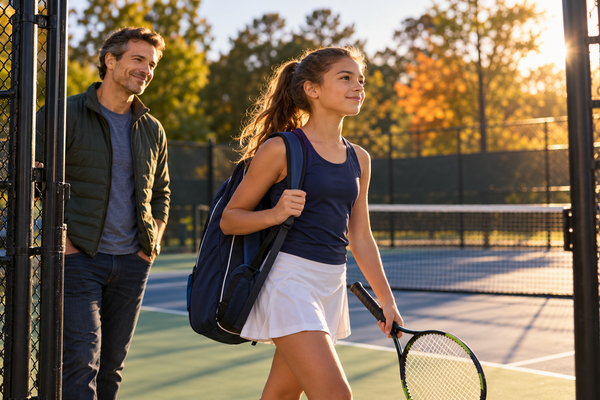
Every parent wants to help their child succeed. In sports, that desire often translates into lessons, equipment, travel, encouragement, and countless hours on the sidelines. Yet helping a young athlete achieve meaningful goals requires more than doing more. It requires recognizing when your role needs to change.
At SPMI, we help parents navigate these changes, strengthen communication, and recognize when to guide, encourage, or step back. Helping athletes develop mental toughness also means helping parents create an environment that supports their child’s growth, independence, and potential.
Sports parenting unfolds in seasons. What helps a seven-year-old may frustrate a seventeen-year-old. The challenge is to provide enough structure to support growth while gradually giving your son or daughter ownership of the journey.
Ages 6–9: Plant the Seeds
During this season, prioritize enjoyment, exploration, and basic habits. Help your child discover what they enjoy about movement, competition, and belonging to a team. Avoid treating early results as predictions of future success.
Keep goals simple and controllable: listen to the coach, try something difficult, encourage a teammate, or return to the next play after a mistake. These are early building blocks of mental toughness.
Parents should handle logistics, establish routines, and model respectful behavior. Celebrate courage and effort with specific feedback: “You kept trying even when that drill was difficult.” After competition, connection matters more than analysis. A snack, a smile, and “I enjoyed watching you” can say enough.
Ages 10–12: Grow Responsibility
As athletes mature, invite them into decisions. Ask what they want to improve and help them identify actions that support that goal. Wanting to make a stronger team might mean practicing a skill consistently or improving their response to frustration.
Begin transferring manageable responsibilities: packing equipment, remembering practice times, and asking the coach a question. Offer reminders when needed, then gradually reduce them as habits develop.
Resist solving every disappointment. If your child struggles with playing time or loses a close match, listen before offering solutions. Ask, “What did you learn?” and “What could you try next time?” Mental toughness develops when children learn they can face challenges with support without someone immediately removing the challenge.
Ages 13 and Up: Support Ownership
The teenage years call for increasing collaboration and independence. Your athlete should have a stronger voice in goals, commitment levels, and conversations with coaches. Discuss what their ambitions require, including time, recovery, academics, and family resources.
Help them distinguish a dream from a plan. A college goal needs consistent behaviors, realistic feedback, and periodic adjustments. Review progress together at agreed times instead of making every car ride a performance meeting.
These age ranges are guides, not deadlines. Readiness, personality, and circumstances matter. Some teenagers need additional structure; others are ready for greater independence. Transfer responsibility progressively, allowing mistakes that teach while maintaining appropriate boundaries.
Know Which Roles Belong to Others
Your most valuable role is being a steady, loving parent. Let qualified coaches lead technical instruction and tactical decisions. Avoid competing instructions from the sidelines or turning home into an extension of practice.
A qualified mental performance consultant can help athletes develop focus, confidence, emotional control, and competition routines. Refer injuries and health concerns to appropriate healthcare professionals. Persistent distress that affects daily life deserves support from a licensed mental health professional.
Stepping back never means ignoring unsafe coaching, mistreatment, or your child’s wellbeing. Parents remain responsible for advocacy and protection. The goal is thoughtful involvement, with the right person handling the right responsibility.
A Lesson From Pete Sampras
Pete Sampras offers a memorable example. In a published interview, he described how his father initially tried coaching him before handing that responsibility to a coach. His father continued supporting lessons and transportation while leaving on-court development to someone with expertise.
When Sampras won the 1990 US Open at nineteen, becoming its youngest men’s singles champion, his parents were at a shopping mall in California. Accounts describe them as too nervous to watch. Their approach illustrates that caring deeply does not require directing every moment of an athlete’s performance.
Every family must find its own balance. The useful question is whether your involvement helps your child feel supported and increasingly capable.
Across every season, keep your love consistent and your expectations clear. Help your athlete prepare, let them compete, and welcome them home as the same valued person regardless of the result. Ultimately, the greatest achievement is raising someone who can pursue meaningful goals with courage, responsibility, and growing independence throughout life.
To learn more about how SPMI can help your family, sign up for a free 15-minute call at gospmi.com.