
The #1 Mental Mistake Costing College Scholarships
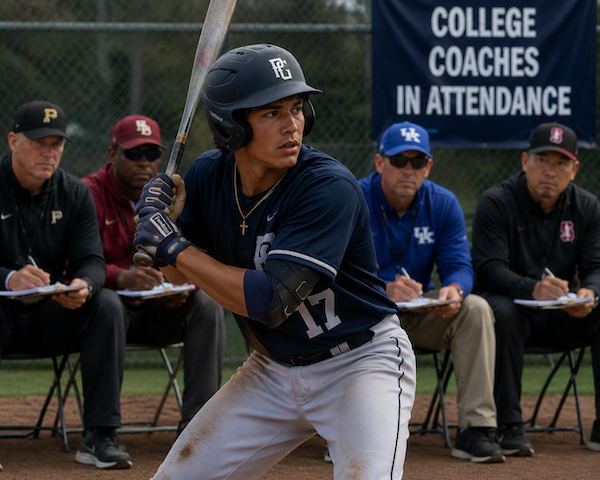
At SPMI, we work with athletes of all ages and across many sports, but one of the most prominent demographics we serve are high school athletes. For many of these athletes, they are working tirelessly toward one goal: earning a college scholarship. While physical ability and technical skill are essential, they are often not what separates athletes at this level. Emotional control and the ability to perform under pressure are what truly make the difference.
Performance anxiety is one of the most common challenges these athletes face. It is driven by a combination of internal and external pressures. Internally, athletes tend to place extremely high expectations on themselves. They begin to connect their self-worth to performance outcomes such as stats, rankings, wins, and mistakes. Externally, the pressure builds from parents, coaches, social media, and the belief that each performance could determine their future. When athletes feel like every moment is being evaluated, the weight of that expectation can become overwhelming.
This anxiety tends to increase in high-stakes environments such as showcases, playoffs, and competitions where college coaches are present. It also intensifies after mistakes. Many athletes struggle to recover emotionally in the moment, which leads to a snowball effect where one mistake turns into several. Overthinking becomes another major factor. Instead of trusting their training, athletes begin to analyze their movements in real time, disrupting rhythm and confidence. Fear of failure, fear of embarrassment, and fear of letting others down all contribute to the rising pressure.
Emotional control does not mean eliminating nerves. It means managing them effectively. The most successful athletes still feel pressure, but they do not allow it to dictate their behavior or performance. They remain composed, present, and focused on execution rather than outcomes.
There are several practical ways athletes can improve emotional control and perform better under pressure. The first is building awareness of emotional triggers. Athletes must identify the situations that cause anxiety, whether it is playing in front of scouts, making mistakes, or dealing with expectations. Awareness creates the opportunity for control.
Another key strategy is developing a reset routine. This can include controlled breathing, small physical actions like stepping away or adjusting equipment, and simple mental cues such as “next play” or “stay present.” These tools help athletes quickly regain composure and refocus.
Shifting attention to the process rather than the outcome is also critical. When athletes focus on controllable factors such as effort, attitude, and preparation, they reduce the mental burden tied to results. Scholarships are earned through consistent performance over time, not a single perfect performance.
Practicing under pressure is another powerful tool. When athletes intentionally create high-pressure scenarios in training, they become more comfortable handling those situations in competition. In addition, strengthening self-talk is essential. Negative thoughts increase anxiety, while constructive and neutral thoughts help maintain stability and confidence.
Parents play a vital role in this process as well. One of the most impactful things a parent can do is reduce outcome-based pressure. Constant emphasis on stats, rankings, and scholarships can unintentionally heighten anxiety. Instead, focusing on effort, growth, and resilience creates a healthier environment for development.
The moments after competition are especially important. Athletes are often emotionally elevated, and this is not the ideal time for criticism or analysis. Providing support, giving space, and allowing the athlete to decompress helps regulate their emotions and builds long-term confidence.
Emotional control is not something athletes are simply born with. It is a skill that can be trained and developed. Those who learn to manage pressure effectively gain a significant advantage, not only in earning college scholarships but also in sustaining success at the next level.